Let's Shape The Future Of Your Investments!
Natoque iaculis cursus augue urna commodo aptent morbi tortor porttitor quis ornare.

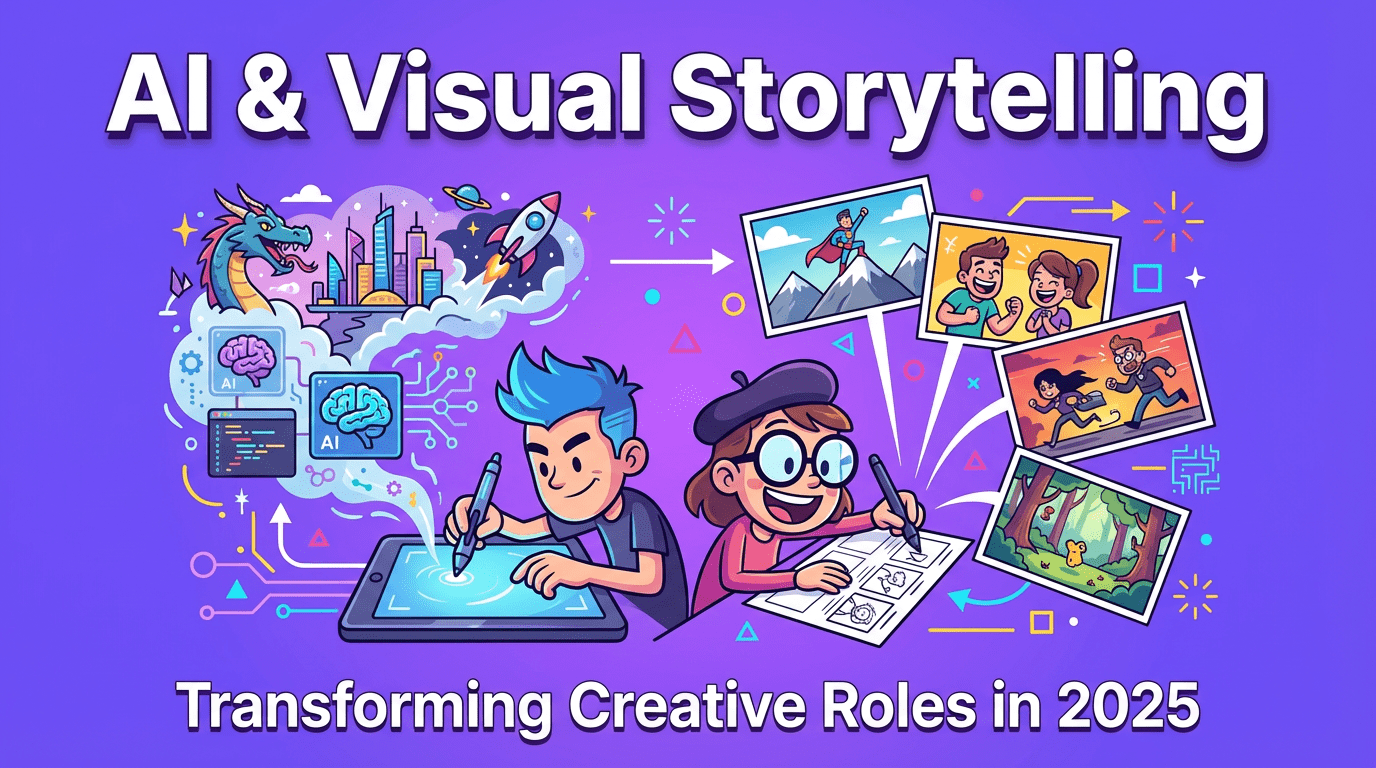
I think of a visual storyteller as someone who listens to light. The way a room holds its breath before a line is spoken. The small shift in color that makes a memory feel warmer. As AI becomes part of our creative rooms, it doesn’t replace that listening. It simply gives us more ways to hear. In this piece, I’ll share how the new tools can support your eye, your rhythm, and your voice, without overwhelming the softness we work so hard to protect.
I grew up valuing the slow craft: storyboards sketched in pencil, lenses chosen like vowels, edits shaped by intuition. Traditional storytelling is a dance between constraint and intention. The American Society of Cinematographers, founded in 1919, has spent over a century championing this careful balance between technical precision and artistic vision. Today, the canvas is bigger—shorts, vertical frames, looping narratives—yet the heart of a visual storyteller hasn’t changed. We’re still sculpting attention and emotion with light, color, and timing.
Modern formats ask for brevity without emotional thinning. The challenge is to keep images breathing. When I watch today’s feeds, I often see frames that cut too quickly, as if they’re afraid to feel. The work that stands out lets a hand rest on a table half a second longer. It lets the eye settle. It keeps the color temperature warm enough to feel human. That’s the difference: speed without panic, clarity without coldness.
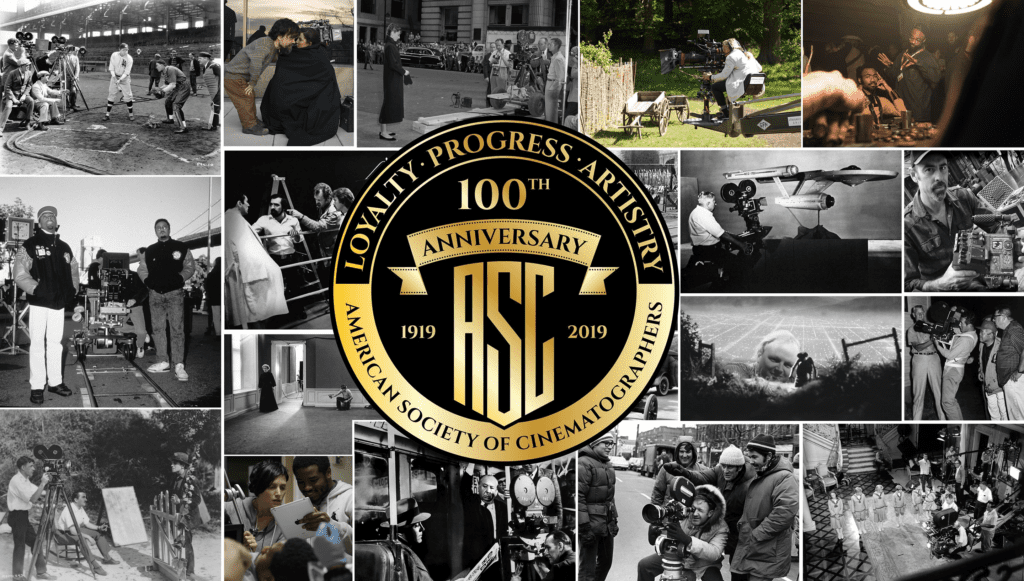
AI enters not as a loud director but as a quiet assistant, if you let it. It can draft, propose, and iterate fast, freeing you to shape tone and emotional coherence. The International Cinematographers Guild represents thousands of visual storytellers who are now navigating this new landscape, learning to balance traditional craft with emerging technologies. But I’ve also noticed its hesitations: a background that breathes in a way that doesn’t feel natural, skin that looks overly protected, motion that tries to be smooth yet feels slightly unsure.
Used well, AI helps you pre-visualize scenes, refine story beats, and keep identity stable across outputs. Used carelessly, it introduces jitter, plastic textures, and color that drifts from shot to shot. The new era is about reading these subtleties, trusting your eye, and guiding the tool with a gentle, consistent aesthetic hand.
When deadlines are tight, automated generation can feel like an exhale. I often begin with a quiet prompt—soft natural light, gentle contrast, refined texture—and let the system draft several variations. Most are sketches, not final frames. But from those sketches, I pull the one that feels emotionally connected, the one where the light doesn’t shout, where the subject’s eyes don’t hesitate. AI gets you to the clay quickly: your taste shapes the sculpture.
For creators posting daily, this speed means you can sustain rhythm without sacrificing your inner cadence. The trick is to protect your look: consistent color palette, steady skin tone, character identity that doesn’t drift. Ask for the same camera distance, the same warmth, the same emotional temperature. Repetition, gently held, becomes style.
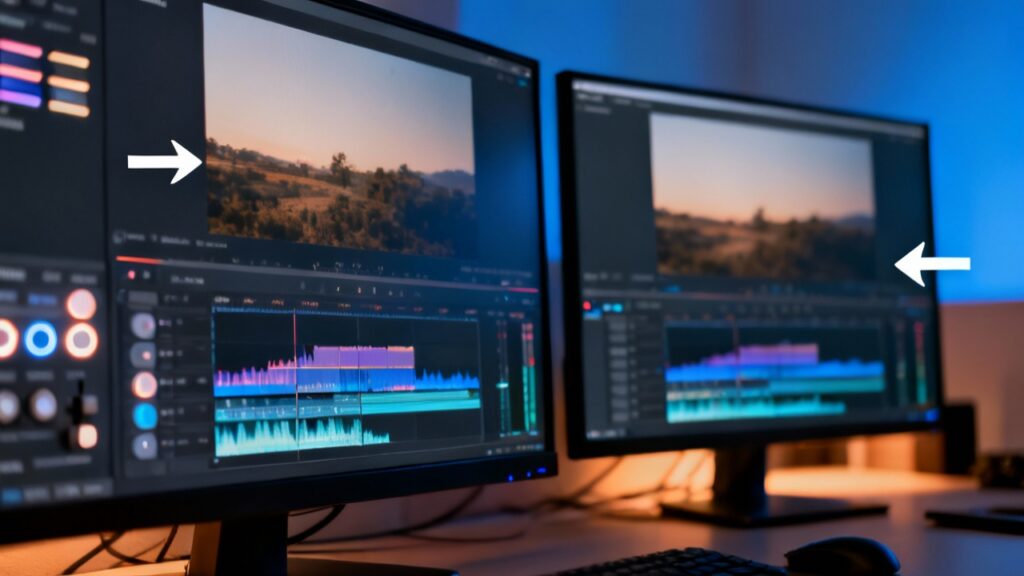
I appreciate tools that make small, human fixes: lifting shadows without bleaching, stabilizing motion without freezing the breath of a scene, softening edges while keeping texture alive. Resources like No Film School have documented how filmmakers are using these tools while maintaining artistic control. When I test, I watch the corners—do lines tremble? Does hair jitter against the background? If a cut feels too clean, I’ll let a single frame linger to maintain emotional pace. Intelligent editing works best when it supports that pace rather than dictates it.
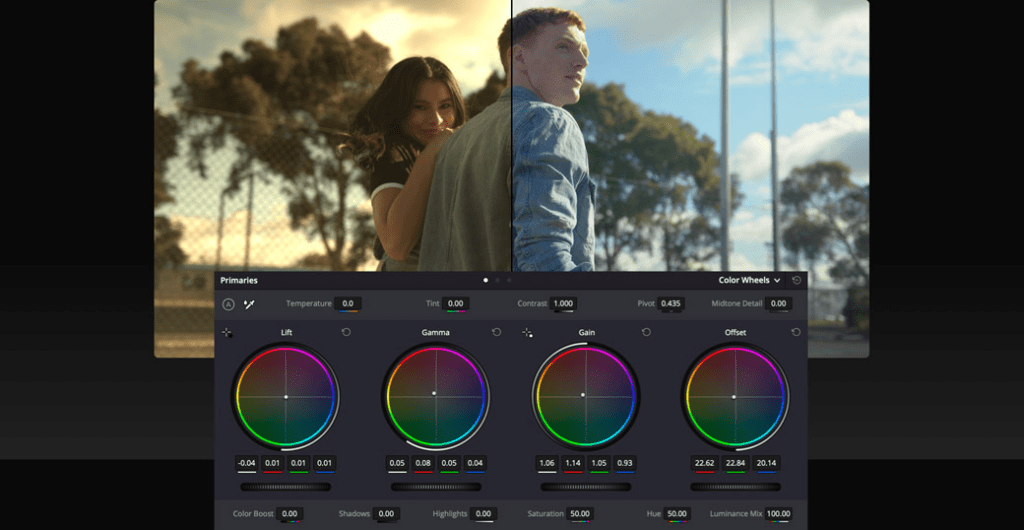
Color adjustments should be tender. If saturation jumps, skin turns candy. If contrast spikes, the heart falls out of the image. I aim for a gentle S-curve of tone, enough structure to read shape, enough softness to feel skin.
Recommendations can be a quiet compass. They don’t tell you who you are: they remind you who you’ve been. I use them to spot patterns—when warmer hues keep viewers longer, when a steady, intentional push-in invites people closer. Then I translate those patterns into emotion: more golden hour when the story needs tenderness, cooler grays when the scene needs distance. Data is useful only when it feeds the feeling.
I don’t chase spikes: I watch slopes. If retention dips right after a fast pan, I try a slower glide. If comments mention “so calming,” I note the lighting and pacing that created that response. Real-time metrics are a mirror. Sometimes they reveal a small emotional pause that worked, sometimes a moment where the background pulsed and broke trust. Take notes, adjust lightly, keep your core aesthetic intact.
We used to spend hours on the mechanics—masking, rotoscoping, repetitive cuts. Now, much of that can be drafted for us. Our role shifts toward intention: What does this light say? Where should the breath be? Does the texture feel authentic or overly protected? As StudioBinder’s comprehensive filmmaking resources demonstrate, a visual storyteller becomes a curator of feeling, guiding tools toward coherence and away from spectacle.
The British Society of Cinematographers, which has maintained the highest standards in cinematography since 1949, continues to emphasize that while tools evolve, the fundamental principles of visual storytelling—emotional truth, intentional composition, and narrative coherence—remain constant.
Stories ripple across formats—60-second verticals, quiet carousels, long-form essays with breathing room. I hold a consistent emotional palette across them: soft natural light, gentle contrast, warm skin, stable identity. The frame might change, but the inner rhythm shouldn’t. If a tool suggests edits that fragment that rhythm, I pull back. Consistency isn’t sameness: it’s trust.
I translate data into human terms. If short intros hold attention, I don’t just “shorten.” I remove clutter so the scene can exhale. If viewers drop during heavy effects, I simplify motion so it feels steady, intentional, emotionally paced. Data helps me protect what matters: clarity, warmth, and the feeling that someone cared about the image you’re seeing.
A wellness brand asked for an “energizing” look, but the first AI cuts felt loud and glassy. We softened the color temperature, reintroduced natural shadow, and slowed the opening movement by four frames. Engagement rose not because it was brighter, but because it was kinder. The light felt gentle but slightly sure of itself, and the faces looked human again.
A travel vlogger struggled with identity drift—eyes shifting, hair jitter near textured walls. We stabilized character features with consistent prompts and used subtle grain to bring life back to the image. Comments changed from “cool edit” to “this feels like being there.” The background stopped breathing in a way that didn’t feel natural: the viewer could finally rest inside the moment.
An internal comms team needed weekly videos that didn’t feel manufactured. They used AI for the first assembly, then applied a house palette: warm neutrals, soft falloff, measured motion. Over time, employees recognized the tone before the logo appeared. That familiarity—quiet, intentional, reliable—did more for trust than any extra effect ever could.
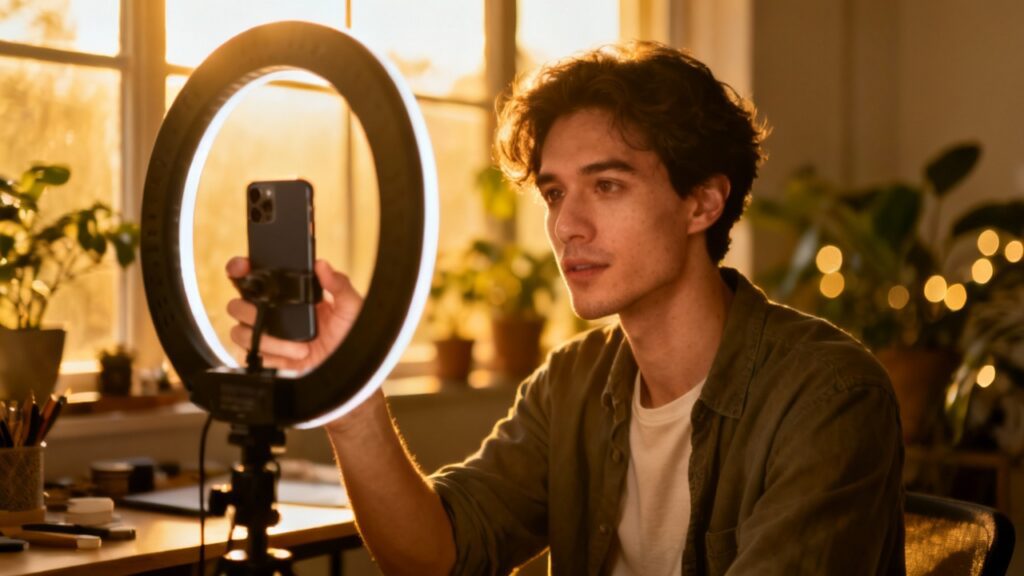
In 2025, the essential skill isn’t button mastery: it’s taste. Can you sense when color turns brittle? Can you guide AI toward textures that feel alive? Can you hold a shot just long enough for an emotion to land? Learn prompt language that honors light and identity: “soft poetic lighting, delicate textures, stable proportions, consistent skin tone.” This is craft, not shortcut.
As more teams adopt AI, there’s rising demand for people who can keep images human. Visual storytellers who protect emotional coherence, especially across fast, multi-platform campaigns, will lead. I see opportunities in style direction, identity stability, and brand “feel” guardianship. Tools will get smarter, but they’ll still need our patience and our taste. This is the quiet edge: being the person who notices when the eyes hesitate and knows how to help them breathe again.
For those looking to deepen their understanding of cinematography and visual storytelling, I recommend exploring these authoritative sources:
These organizations and resources represent decades of accumulated wisdom in visual storytelling—a foundation that helps us navigate new tools while honoring timeless principles of light, emotion, and human connection.