Let's Shape The Future Of Your Investments!
Natoque iaculis cursus augue urna commodo aptent morbi tortor porttitor quis ornare.


I’ve been watching something shift in how people respond to brand content lately. A small beauty brand’s grainy customer selfie outperformed their polished campaign three to one. Not because it was better produced—because it felt real.
According to recent research, 79% of people say user-generated content influences their purchasing decisions, while 92% trust recommendations from people they know over traditional advertising. That’s not just a marketing trend—that’s a complete change in how trust works online.
What keeps me thinking about this is how 93% of marketers report that user-generated content performs notably better than traditional branded content. The numbers are clear, but the feeling behind them is what matters. People want to see themselves reflected in the brands they choose.
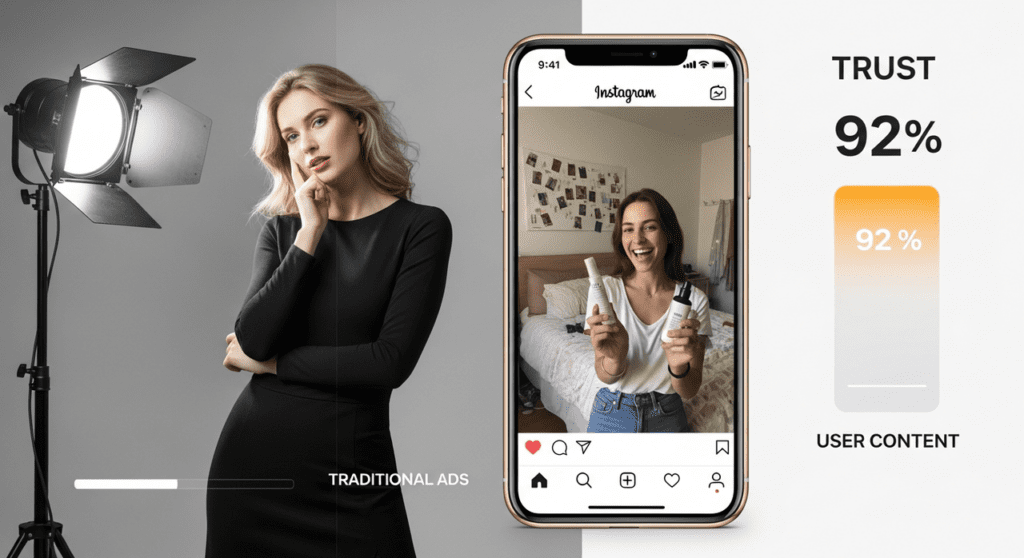
User-generated content is any material—photos, videos, reviews, social posts—created by your customers rather than your marketing team. But that simple definition misses the emotional reality.
When I talk about user-generated content on social media, I’m describing the moment your customers become your storytellers. It’s the difference between saying “our product works” and watching someone show their friends how your product changed their morning.
Visual Documentation These are the unfiltered photos and videos showing your product in real contexts. Not studio lighting. Not perfect angles. Just real moments.
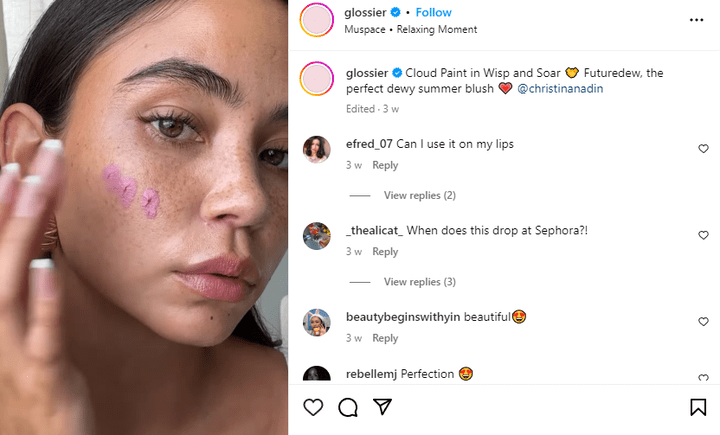
Glossier built much of its community-driven growth strategy around customer photos, regularly reposting user content through Instagram and featuring customers in their “Top 5” weekly Instagram Stories highlight . Their approach proves authenticity scales.
Written Experiences Reviews, testimonials, and detailed stories where customers share genuine experiences. Having just 10 product reviews can lift conversion rates by 45%, according to research from Bazaarvoice.
Creative Interpretations Unexpected ways customers engage with your brand—memes, challenges, unboxing videos, creative applications you never imagined.
There’s something our minds do when we see polished advertising versus authentic customer content. Shoppers are nearly 2.5 times more likely to say user-generated content is more authentic than brand-created content.
Our brains categorize professionally lit product shots as “advertising” and activate skepticism. When we see someone’s genuine reaction in their own space? The response shifts completely.
72% of customers believe experiences are more credible when other customers share them rather than when brands speak for themselves. This creates what I call a trust cascade—each piece of authentic content reduces psychological purchasing risk for the next person.
Most brands struggle with user-generated content because they have no structure for gathering it. You can’t simply hope customers will remember to tag you.
Set up multiple collection points:
58% of consumers prefer to see user-generated photos and videos from brands as they seek authenticity. Make it easy for them to share.
The Permission Process
This matters more than most brands realize. You must request usage permissions to maintain brand reputation and respect intellectual property.
Create an automated response template: “We love this! Can we share it on our [platform]? Please reply YES to grant permission.”
For campaigns, use proper rights management tools like Bazaarvoice or TINT. Always credit creators visibly.
People freeze when prompts are vague. Instead of “share your experience,” try:
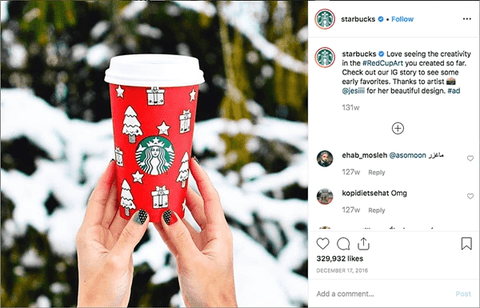
Starbucks’ #RedCupContest succeeded by asking customers to decorate and photograph their red cups—specific, actionable, creative.
28% of ecommerce marketers believe Instagram generates the most engaging user-generated content , making it essential for visual brands.
The Content Flow Strategy Customer posts photo → reshare to Stories → best become Reels → compilation posts to feed. This multiplication system gives creators multiple chances for recognition.
Use Instagram’s native tools strategically:
Hashtag Architecture
Leading at 56%, UGC was the best performing content type on TikTok, with 90% of social media users trusting UGC on the platform .
TikTok operates differently. Challenges work when they’re simple enough that participation feels effortless. The community decides what resonates—your job is creating the initial spark.
What Actually Works
Facebook evolved into something quieter but deeper. 23% of ecommerce marketers cite Facebook as generating significant customer engagement through user-generated content.
Group-Based Strategy Create dedicated communities where customers naturally share experiences. Facebook Groups generate organic content that the algorithm favors over Page posts.
Customer reviews on Facebook carry additional weight—they display across multiple touchpoints and influence local search visibility.
Permission isn’t optional. A like or tag doesn’t grant usage rights.
The Three Essentials
Volume feels good but doesn’t predict success. What matters is business impact.
KPIs That Actually Matter
| Metric | Good Benchmark | Excellent Performance |
| Monthly submissions | 50+ per 10K followers | 200+ per 10K followers |
| Engagement rate on UGC posts | 5% | 12%+ |
| UGC-influenced conversions | 15% of total | 35%+ of total |
| Permission grant rate | 60% | 85%+ |
Bazaarvoice clients see 3x conversions when social content is combined with ratings and reviews . Track what percentage of conversions involved UGC interaction at some point in the customer journey.

Tracking Method
The brands succeeding now aren’t the ones with biggest budgets or most polished content. They’re the ones who figured out how to step back and let customers tell stories.
According to data from Salsify’s 2024 Consumer Research Report, around 40% of shoppers rated user-generated content as “extremely” or “very” important when making purchase decisions—rating it higher than product videos or feature charts.
You’ll lose some control. Customer content won’t always be perfect. And that’s precisely why it works.
Don’t wait for the perfect strategy. Start small:
The difference between you and your competitors isn’t reading this—it’s actually implementing it. The brands that embrace authentic customer voices build communities that become their most valuable asset.

Related Resources:
Sources: Statistics cited from Backlinko UGC Research 2025, inBeat Agency Analysis, Bazaarvoice UGC Impact Studies, Salsify Consumer Research Report 2024, and verified industry research from leading social media platforms.